

How Winter Damage Reveals Gaps in Homeowners Insurance Coverage
Winter is drawing to a close. Yet even after the snow melts and temperatures rise, homes can carry hidden damage that leads to costly repairs months later. Many Missouri homeowners think about frozen pipes first, but winter weather can affect far more than plumbing. Roofs, siding, foundations, and outdoor structures all face stress during prolonged cold.
A well-structured homeowners insurance policy can help protect against many of these risks, but coverage gaps can still surprise property owners. Understanding how winter conditions affect homes — and where insurance limitations may exist — can help homeowners address damage early and review their coverage before the next storm arrives.
How Winter Weather Weakens Homes
Cold weather places significant stress on residential structures. Temperature swings, heavy snow loads, and moisture intrusion can weaken building materials and cause property damage over time. These issues often begin as small structural weaknesses but can lead to larger insurance claims once water intrusion or interior damage occurs.
Freeze-Thaw Cycles
As ice melts, water can seep into cracks in siding, foundations, driveways, and roofing materials. When temperatures drop again, that trapped water expands and widens the cracks, slowly weakening the home’s structure. Repeated freezing and thawing can enlarge small fractures in masonry or concrete, leading to foundation instability, damaged walkways, or water intrusion into basements.
Heavy Snow Accumulation
Excessive weight can strain roofs and gutters. Large snow loads can bend gutter systems, loosen fasteners, or place pressure on roof decking and structural supports. If the snow becomes saturated or turns to ice, the added weight increases the risk of sagging rooflines or damaged shingles.
Ice Dams
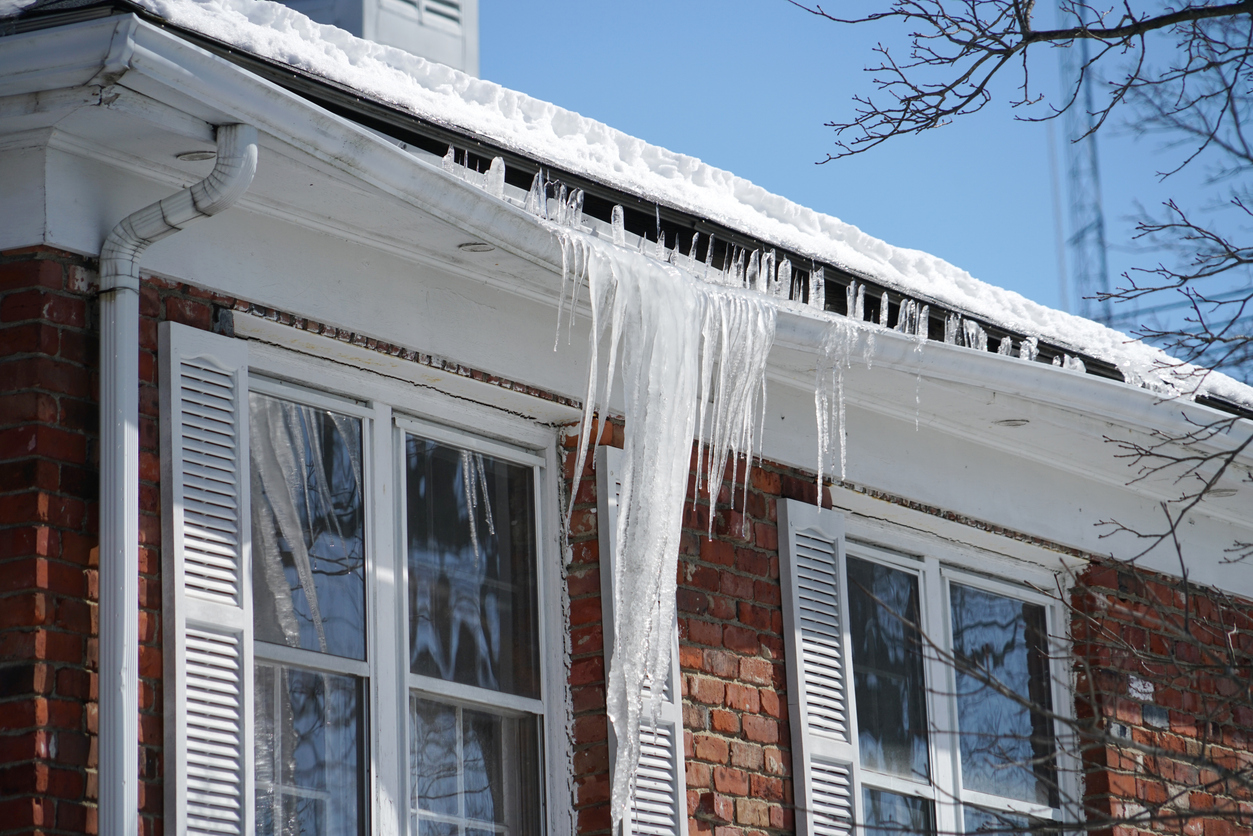
Melting snow that refreezes along roof edges can force water under shingles. Once water backs up beneath the roofing material, it can seep into attic insulation, ceilings, and interior walls. This type of hidden moisture intrusion may lead to mold growth, damaged drywall, or warped wood framing if not addressed quickly.
Wind-Driven Winter Storms
Strong winds can loosen shingles and siding. When protective materials shift or break away, exposed sections of the roof or exterior walls become vulnerable to snow and water intrusion. Wind can also carry debris that damages windows, gutters, or flashing around chimneys and vents.
Winter Damage That Homeowners Insurance May Not Fully Cover
While many winter-related incidents fall under standard policies, certain situations can limit coverage. Insurance typically protects against sudden and accidental damage, but gradual deterioration or poor maintenance may not qualify.
Some examples include:
- Ice dams causing gradual water intrusion: If damage develops slowly due to inadequate insulation or ventilation, coverage may be limited.
- Roof damage from snow accumulation: Insurers may question claims if roofs were already deteriorating before winter.
- Foundation cracks from freeze-thaw cycles: Structural issues tied to long-term wear may fall outside policy protections.
- Exterior hazards: Damaged decks, walkways, or railings can create liability risks if a visitor is injured.
These distinctions make it important to address small winter issues before they evolve into major repairs.
Make Post-Winter Inspections a Priority
Once temperatures rise, homeowners should inspect key areas of the property for damage caused during winter.
Focus on the following areas:
- Roof shingles, flashing, and gutters
- Attic ventilation and insulation
- Siding and exterior walls
- Foundations and basement walls
- Decks, walkways, and outdoor structures
Small problems discovered early often cost far less to repair. Ignoring them can result in water intrusion, mold growth, or structural damage. Winter preparation also plays a role in preventing future claims.
Review Coverage Before the Next Winter Season
Extreme weather is creating new challenges for both homeowners and insurers. As storms become more frequent and costly, insurance availability and pricing have started to shift in many parts of the country. Climate-driven disasters are contributing to higher insurance costs and reduced access to coverage in some areas.
In fact, an estimated 7% to 13% of U.S. homes are uninsured, and many property owners who lose traditional coverage must rely on higher-priced “insurers of last resort.” These trends highlight how quickly the insurance landscape can change as weather risks increase.
In these changing times, it’s even more important for homeowners to review their policies regularly. Working with an experienced Wright City, MO, insurance agency can help homeowners evaluate coverage limits, identify potential exclusions, and confirm that their policy reflects the current replacement cost of their property. A quick annual policy review can help prevent surprises when the next winter storm arrives.
Protect Your Home Before the Next Storm
Winter weather can affect far more than a single area of a home. Structural stress, water intrusion, and hidden weaknesses often develop long before homeowners notice them.
Reviewing your coverage now can help ensure your policy keeps pace with changing risks. For guidance on evaluating your current protection, contact us to speak with a knowledgeable insurance professional at Sine Insurance.
FAQ About Homeowners Insurance in Missouri
Does homeowners insurance cover busted pipes due to cold weather?
Standard homeowners policies often cover damage from burst pipes if the event is sudden and accidental. However, claims may be denied if insurers determine the homeowner failed to maintain heat on the property or neglected basic preventive measures.
Is homeowners insurance increasing in 2026?
Insurance costs have been rising in many regions due to severe weather events, higher rebuilding costs, and increased claims activity. As insurers adjust risk models and construction expenses climb, homeowners may see higher premiums in 2026 and beyond.
Does homeowners insurance cover ice dam damage?
Coverage often depends on how the damage occurs. If an ice dam causes sudden interior water damage, policies may provide coverage. However, insurers may deny claims if the problem developed gradually due to poor roof maintenance or inadequate insulation.
What winter damage do homeowners tend to overlook?
Roof damage from snow loads, foundation cracks from freeze-thaw cycles, and water intrusion caused by melting snow may be blind spots. These issues often develop slowly, which can complicate insurance claims if maintenance problems contributed to the damage.
About Sine Insurance
At Sine Insurance Group, we are dedicated to providing you with custom-tailored insurance policies to protect your assets. Our comprehensive packages have been expertly crafted to serve St. Louis and the surrounding areas for the past 25 years. For more information about our products, contact us today at (855) 700-0889.