

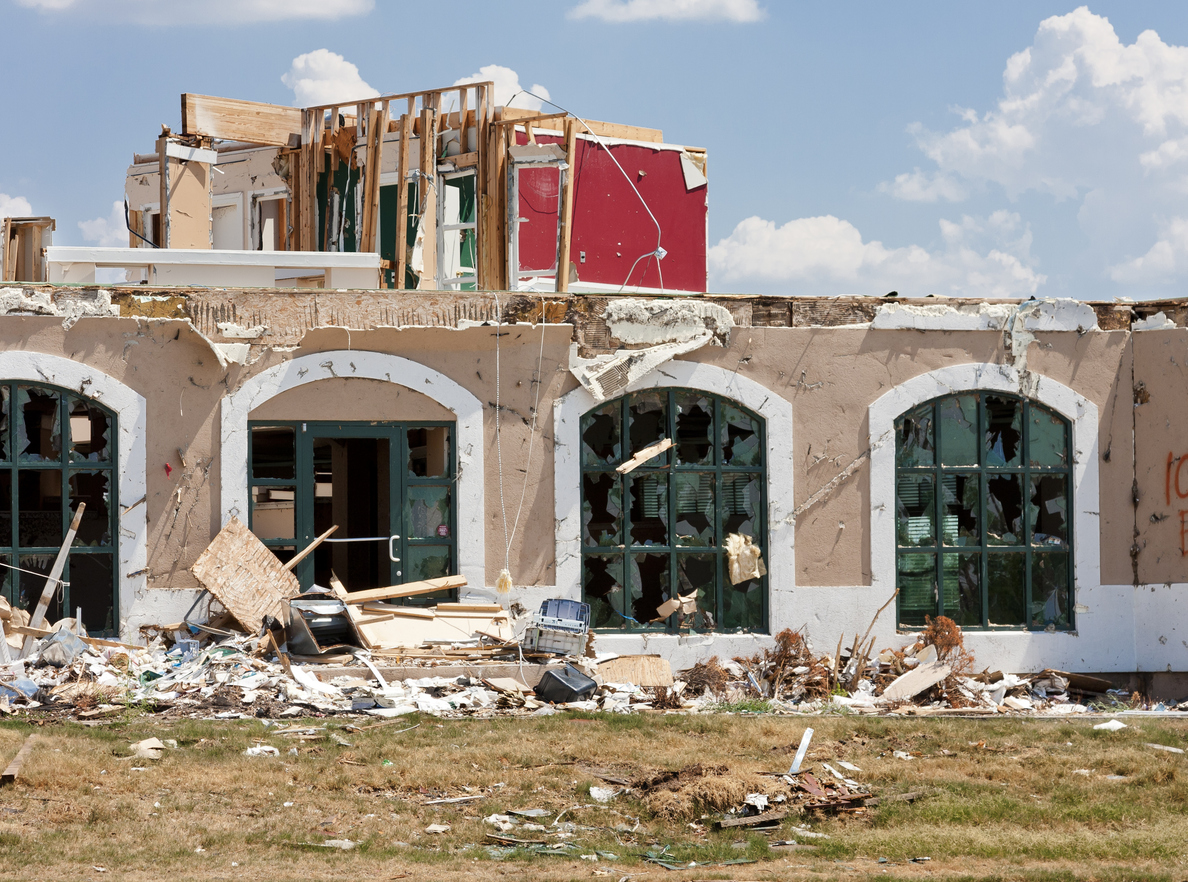
A severe Missouri storm can damage far more than a roof or an exterior wall. Inventory can get wet, equipment can become unusable, debris can block access, and a business may have to suspend operations while repairs move forward. For business owners, commercial property insurance in Missouri can help address the financial effects of covered property losses, depending on the policy’s terms, limits, deductibles, exclusions, and covered causes of loss.
What Can a Storm Disrupt?
Missouri’s storm history shows how severe weather can create widespread losses. According to the National Oceanic and Atmospheric Administration’s Billion-Dollar Weather and Climate Disasters database, Missouri was affected by 120 weather and climate disasters with losses exceeding $1 billion each from 1980 through 2024. Severe storms accounted for 82 of those events. From 2020 through 2024, Missouri averaged 8.2 billion-dollar weather and climate disasters per year, compared with an annual average of 2.7 from 1980 through 2024.
The effects of such a storm may extend well beyond repairing the building itself. Furniture, inventory, machinery, computers, and other business personal property may sustain damage. Cleanup can add another expense, particularly when damaged materials or contents must be removed before repairs begin.
Operations may also stop or slow. Employees may be unable to work from the property, customers may lose access, and the business may need a temporary location or other arrangements to continue operating.
A single storm can therefore create several financial pressures at the same time: property repairs, damaged contents, cleanup expenses, lost income, and additional operating costs.
How Commercial Property Insurance Helps
Commercial property insurance may cover damage to a building and business personal property when the loss results from a covered cause. Coverage depends on the policy, so business owners should review the specific causes of loss, exclusions, deductibles, and applicable limits.
Business Income and Extra Expense
The National Association of Insurance Commissioners reports that about 25% of businesses do not reopen after a disaster, according to the Federal Emergency Management Agency. Clearly, the financial impact of a shutdown can extend well beyond the cost of repairing damaged property.
Business income coverage can provide a lifeline by addressing lost income when damage from a covered cause forces operations to slow or stop. Extra expense coverage may help pay certain additional costs incurred to continue operating or resume operations.
Commercial property policies may also provide debris removal coverage for damaged covered property.
Civil Authority Coverage
Civil authority coverage may become relevant even when the insured building itself escapes major damage. For example, a tornado could damage nearby buildings and prompt local officials to close the surrounding area for safety. If the order prevents a business from accessing its premises, civil authority coverage may help with lost business income and certain extra expenses when the policy’s requirements are met.
Coverage details matter because a storm itself does not determine whether a claim is covered. The cause of the damage, policy language, limits, waiting periods, and other terms determine how coverage responds.
What Affects Property Insurance Cost?
Commercial property insurance cost depends on the characteristics and value of the business property being insured. Factors can include building age and construction, building value, business personal property values, replacement cost, selected limits, and deductibles.
Commercial property insurance rates can also reflect differences in the property itself and the amount of financial exposure an insurer is taking on.
A lower premium may come with higher deductibles, lower limits, or other coverage differences. Business owners should compare the protection being purchased with the price.
What Should Businesses Review?
Businesses change, and so should their property policies. Make a habit of reviewing the following factors:
- Building values: Have renovations, additions, or other improvements changed replacement costs?
- Inventory and equipment: Has the business added machinery, technology, furnishings, or higher inventory levels?
- Business interruption needs: How long could the business operate with reduced or no access to the property?
- Deductibles and limits: Would current amounts still make sense after a substantial covered loss?
- Policy terms: Do the covered causes of loss, exclusions, and other provisions match the business’s current exposures?
Property improvements, new equipment, increased inventory, and operational changes can all be reasons to revisit coverage. Sine Insurance also explains why businesses should proactively look for ways to protect property from damage rather than waiting until after a loss to identify gaps.
Prepare for the Full Loss
A severe storm can create a chain of expenses that extends from building repairs to damaged contents, cleanup, lost income, and extra operating costs. Missouri business owners should review their buildings, contents, replacement costs, business interruption exposure, deductibles, limits, and policy terms before the next major loss puts those decisions to the test.
Contact Sine Insurance to review commercial property coverage and make sure it reflects the property and operations the business has today.
About Sine Insurance
At Sine Insurance Group, we are dedicated to providing you with custom-tailored insurance policies to protect your assets. Our comprehensive packages have been expertly crafted to serve St. Louis and the surrounding areas for the past 25 years. For more information about our products, contact us today at (855) 700-0889.