

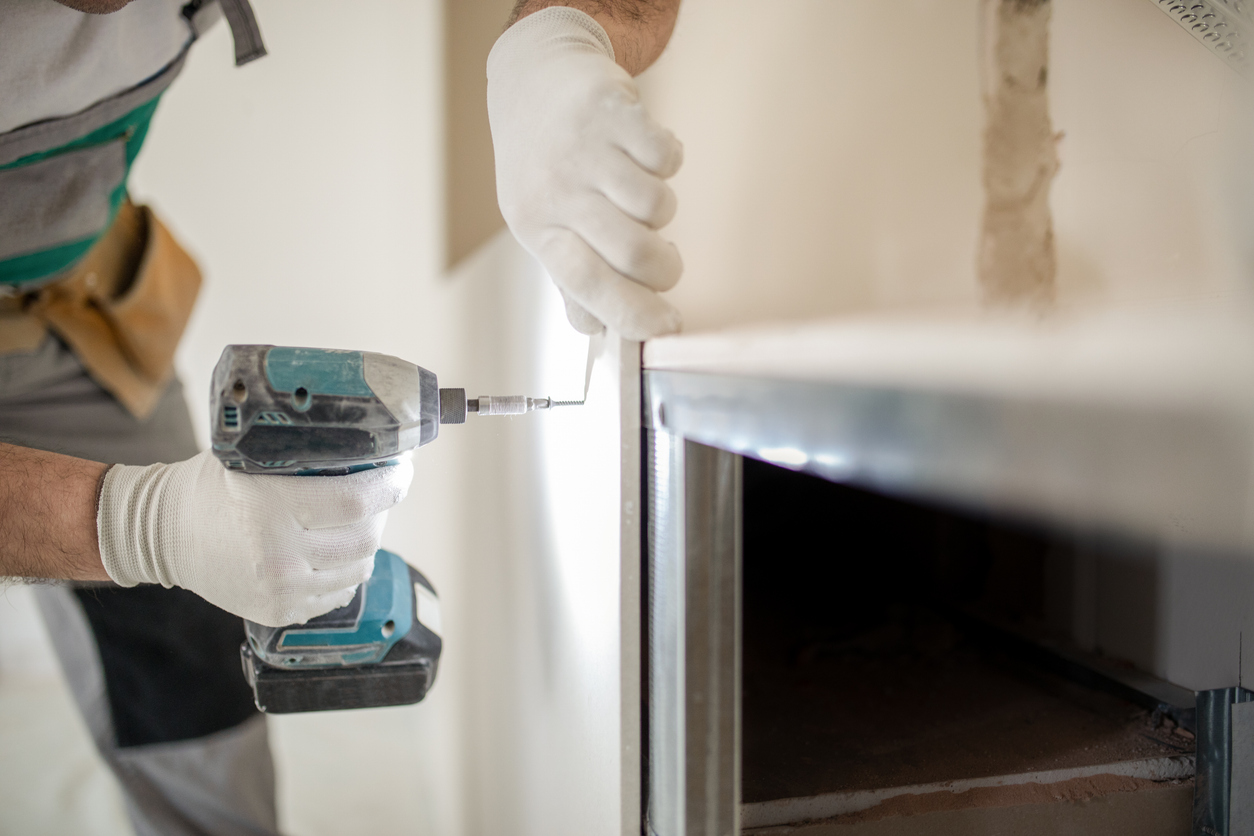
If a worker were to get hurt on your job site tomorrow, would your insurance cover it? For a lot of Wright City drywallers, the honest answer is no, at least not as fully as they assume.
Many owners carry a basic policy, treating coverage as a box they’ve checked. The gaps surface only after a claim hits and the money is already gone. Closing those holes starts with understanding what your drywall contractor insurance does and doesn’t cover. Here’s a closer look at the coverage mistakes that trip up drywallers, the policies worth prioritizing, and the strategies to align your protection with the way your crew works.
Common Coverage Mistakes Drywallers Make
Coverage problems usually trace back to one habit: assuming a policy covers more than it actually does. Three assumptions cause the bulk of denied claims.
- Treating a personal auto policy as work coverage: Personal auto policies exclude vehicles used for business. If you get in an accident on the way to or from a job and then file the claim on your personal policy, the insurer can deny it. If you’re found at fault, you’d be left paying for the other driver’s injuries, their vehicle, and your own medical and repair costs out of pocket.
- Expecting general liability to cover everything: General liability leaves out employee injuries, stolen tools, and materials damaged in overnight storage. It can exclude or limit coverage for damage that surfaces after you’ve gone, such as a nicked pipe or a cracked panel that moisture reveals weeks later.
- Skipping equipment and materials coverage: Your tools and partially finished installations carry real value, and a general liability policy excludes them.
Most owners don’t catch these gaps in their drywall business insurance until the insurer denies a claim, usually when they can least afford the loss.
Essential Drywall Insurance Policies
A drywall contractor insurance program should be built around the work involved and the most common exposures. A few key coverages form the foundation of comprehensive protection.
- Commercial general liability (CGL): The backbone of any drywall liability insurance program, CGL covers third-party bodily injury and property damage on residential and commercial sites.
- Workers’ compensation: Material handling, ladders, scaffolding, and live wiring pose a real risk of injury. Falls from heights, back injuries, and dust inhalation are among the most common dangers for drywallers. Workers’ compensation is one coverage you cannot afford to skip, and Missouri requires it of most employers.
- Commercial auto: A work vehicle in a wreck on the way to a job needs commercial coverage, as a personal policy won’t respond.
- Contractors equipment and installation floater: This coverage protects the tools, materials, and unfinished work your schedule depends on, whether on-site or in transit.
Match those choices to your crew size, project mix, subcontractor use, and equipment load, then read the exclusions, deductibles, and subcontractor limits before you sign. Upon renewal, confirm your policy protects your employees, tools, vehicles, installations, and unfinished materials.
Protecting Your Wright City Drywall Business
Strong coverage does more than satisfy a contract requirement. It protects your income, keeps client trust intact, and lets projects keep moving after a loss that would otherwise stop you mid-job.
With about 126,000 drywall and insulation firms competing nationwide and margins already thin, a single uncovered claim can erase a season’s profit. A look at the coverages your business needs keeps your drywall business insurance aligned with your real day-to-day exposure.
Reach out to ISU Sine Insurance to review your coverage and close the gaps before they cost you.
FAQ About Drywall Business Insurance
How much is insurance for a drywall contractor?
The cost of drywall contractor insurance depends on your crew size, payroll, project type, claims history, and the coverages you carry. A solo finisher pays far less than a company running several crews on commercial builds. The only accurate figure comes from a quote built around your operation, so treat online averages as rough context rather than a budget.
Does general liability cover my tools and materials?
Usually not. General liability handles third-party injuries and property damage, but not your own tools and stored materials. Contractors equipment coverage and an installation floater fill that gap, protecting what you own and the work you haven’t finished yet.
Is workers’ compensation required for drywall contractors in Missouri?
Missouri requires most employers to carry workers’ compensation, and the threshold is stricter in construction, where coverage generally applies once you have even one employee. Because the rules depend on how your business is structured, confirm your obligation with your agent before you take on a crew.
About Sine Insurance
At Sine Insurance Group, we are dedicated to providing you with custom-tailored insurance policies to protect your assets. Our comprehensive packages have been expertly crafted to serve St. Louis and the surrounding areas for the past 25 years. For more information about our products, contact us today at (855) 700-0889.