
Running a pest control operation means handling risks every day, from chemical exposure and property damage to wildlife interactions and customer safety. These challenges demand strong safeguards, including pest control insurance anchored to regulatory requirements.
With industry growth nearing 8% in 2024, according to the National Pest Management Association, operators continue expanding services and taking on more complex environments. Sine Insurance Group understands these challenges and provides pest control insurance to support regulatory compliance, financial protection, and peace of mind.
Why Pest Control Operators Face Unique Risks
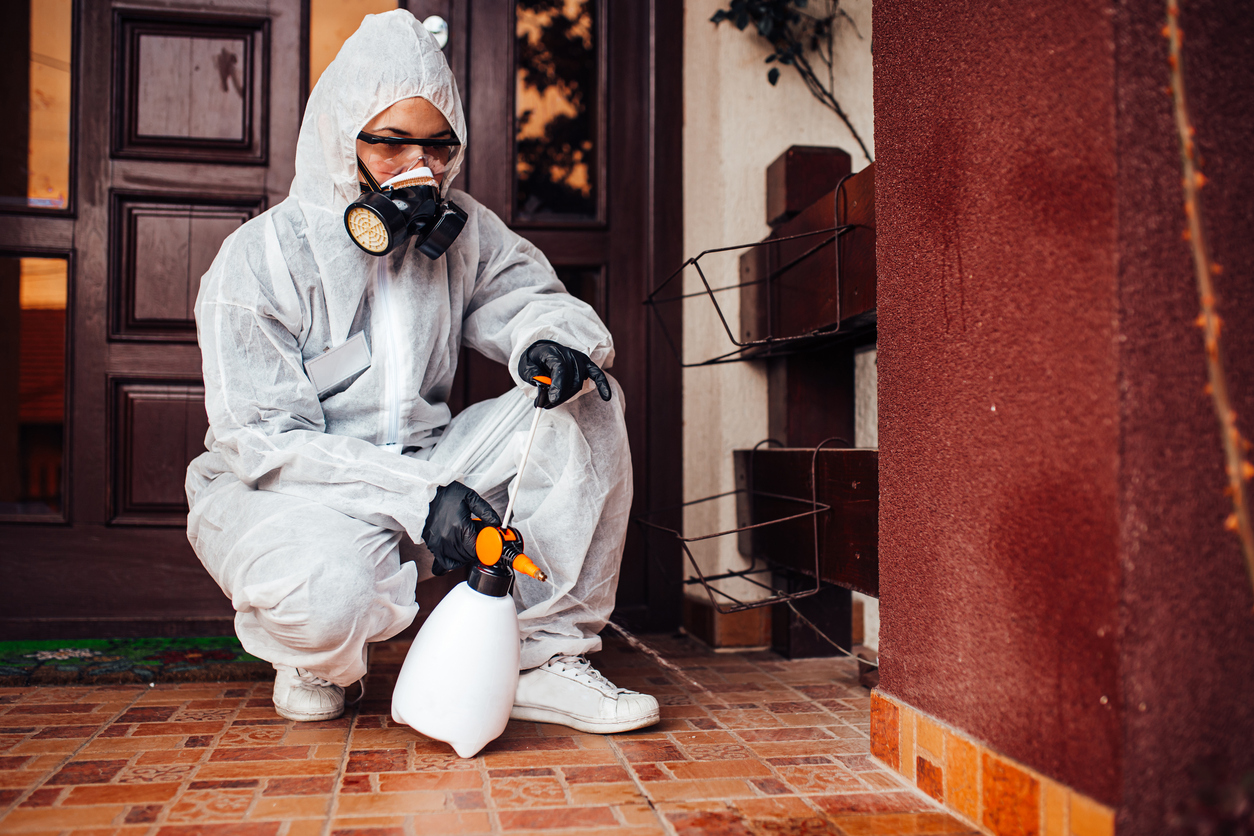
Everyday pest control services involve hazards that most businesses never encounter. Technicians navigate attics, crawlspaces, rooftops, and commercial kitchens while working with chemicals, fumigation tents, and wildlife traps.
A simple miscalculation can become a costly liability. For example, a technician might apply a chemical treatment too close to HVAC intake, causing fumes to circulate inside a client’s home and leading to a property damage claim. Or a technician might risk liability when setting or removing equipment — say, if a mispositioned trap in a cluttered storage room shifts unexpectedly and damages shelving or inventory.
These risks highlight why regulators set specific licensing, bonding, and insurance requirements for pest control operators — safeguards designed to protect both businesses and clients.
Licensing, Bonding & Insurance Requirements
Many states require pest control businesses to hold a license, carry insurance, or secure a bond before they can operate. These safeguards help protect consumers and ensure operators handle pesticides responsibly.
Licensing
Most jurisdictions require pest control operators to obtain a state-issued license or certification. These credentials confirm the operator’s training in pesticide safety, application rules, and regulatory expectations.
Bonding
Some states require pest control companies to post a surety bond as a form of financial guarantee. This bond ensures the business meets legal obligations and compensates consumers if the operator fails to perform work as contracted.
Insurance Requirements
Many regulators require proof of general liability insurance when issuing or renewing a license. Some states also require additional coverage, such as pollution or fumigation liability, to address chemical-related risks during treatments.
- General liability (GL): GL covers third-party injuries and property damage when accidents occur. Example: A technician knocks over a client’s antique vase while treating a termite infestation, triggering a liability claim.
- Pollution and fumigation liability: This coverage addresses incidents involving chemicals or fumigation procedures. Example: A misapplied pesticide causes chemical staining on a restaurant’s flooring, creating a pollution-related claim.
- Property coverage: Property insurance covers company equipment, tools, and facilities. Example: A fire damages a storage area containing sprayers and traps, requiring replacement through property insurance.
- Workers’ compensation: Workers’ comp covers employee injuries and job-related illnesses. Example: A technician experiences respiratory irritation after applying chemicals in a confined space and needs medical care.
Additional Compliance Considerations
The Occupational Safety and Health Administration also requires proper handling, labeling, and storing of chemicals. Many states also mandate continuing education for technicians. The right insurance supports these requirements by closing financial gaps and demonstrating operational responsibility.
Operators benefit from keeping thorough documentation of chemical handling procedures, staff safety training and recertification, and regular equipment inspections. Accurate logs also help with claims.
Red flags that signal compliance problems include missing certifications, outdated training records, and incomplete treatment documentation. Operators who work with restaurants face additional responsibilities, such as understanding the relationship between pest control protocols and food safety.
Choosing the Right Policy for Your Business
Selecting the best coverage begins with understanding the risks tied to each service your business provides, from spraying to wildlife control. Your best bet is to work with insurers who know the pest control industry and understand local regulations. Review policy limits, exclusions, and deductibles with care, and compare options to confirm alignment with licensing requirements.
Sine Insurance Group brings more than 25 years of experience serving St. Louis and surrounding communities, providing personalized support grounded in local knowledge. Contact us today to safeguard your pest control business and ensure regulatory compliance.
About Sine Insurance
At Sine Insurance Group, we are dedicated to providing you with custom-tailored insurance policies to protect your assets. Our comprehensive packages have been expertly crafted to serve St. Louis and the surrounding areas for the past 25 years. For more information about our products, contact us today at (855) 700-0889.